
Reading the Love Line: A Heart-Centered Guide to Palmistry, Emotional Patterns, and Self-Discovery
Learn love line palm reading: what your heart line reveals about relationships, emotional patterns, and your growing capacity for self-love and connection.
Your hands hold more than memory. Beneath your fingers runs the love line, also called the heart line in palmistry, a curved record of how you feel and connect. Love line palm reading is not about fixed predictions. It is a mirror for your emotional patterns, offering insight into your relationships and your evolving capacity for intimacy. In this guide, you will learn how to locate your heart line, interpret its shapes and markings with compassion, and use what you see as a tool for self-awareness rather than fate.
What Is the Love Line? Understanding the Heart Line in Palmistry
In palmistry, the love line and the heart line are simply two names for the same crease. There is no real difference between them; the terms are used interchangeably across traditions. This relationship line sits at the top of your palm, arching horizontally beneath the base of your fingers, and it is the emotional headline of your hand.
Rather than dictating whom you will marry, the heart line meaning centers on how you relate. It reflects your default settings for trust and emotional expression, including how you handle vulnerability. A long, sweeping arc might belong to someone who feels out loud, while a shorter, more contained line might belong to a person who processes love internally before sharing it. In every case, the line is a snapshot of your emotional patterns at this moment, not a verdict. It is an invitation to understand yourself more deeply.
Locating Your Love Line: The First Step in the Journey
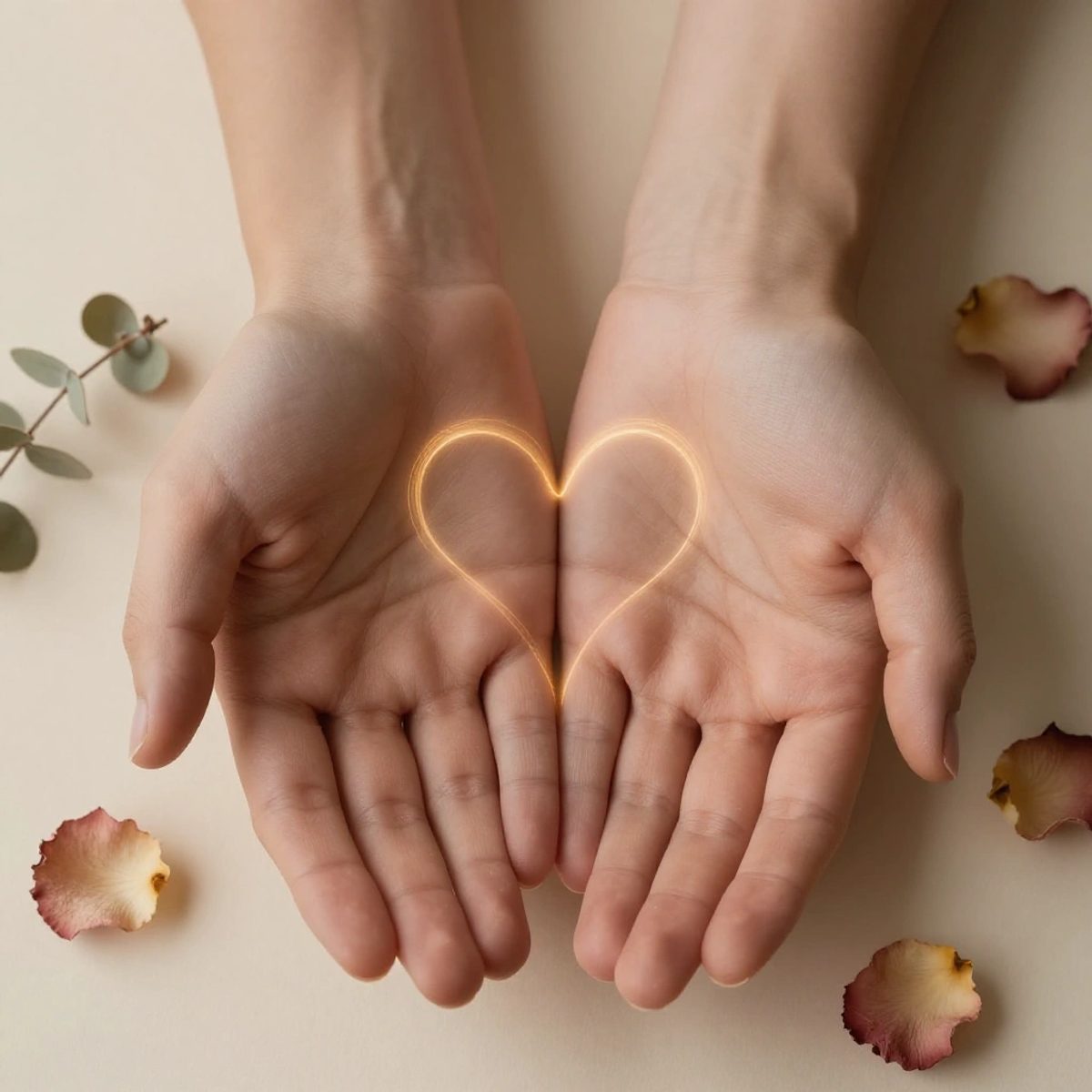
Before you can interpret a story, you must find the first sentence. The love line in palmistry is the highest horizontal crease beneath your fingers. It arcs from the outer edge of the palm near the pinky toward the space below the index or middle finger. Because it governs feeling and attachment, it is the primary line readers study when exploring how you bond and trust.
It is easy to confuse the love line with the head line, which runs beneath it across the center of the palm. If you trace a line directly under the love line and feel it moving in a more level or slightly downward path, that is the head line. The love line stays closer to the fingers. Spend a moment tracing both lines gently until the difference feels clear.
Which hand should you read? Many traditions view the left hand as receptive, reflecting inherited traits and inner potential. The right hand, for right-handed individuals, is considered active and current, mapping the life you are building through choice. Left-handed readers may reverse this. Rather than choosing one, read both as two voices in conversation. The left asks who you have been, and the right asks who you are becoming.
Approach your palms with curiosity. There is no test to pass, only a map to explore.
Length, Depth, and Curve: Reading the Emotional Foundation
Once you have found the line, study its physical language. Length, depth, and curve reveal your emotional baseline.
A long love line stretching generously beneath the fingers suggests someone who feels deeply and expresses readily. This length often signals a broad capacity for intimacy and a willingness to risk vulnerability. It does not promise perfect relationships, but it does indicate a heart that engages fully.
A short love line ending nearer the center of the palm, beneath the middle or ring finger, points to a different pattern. It reflects independence and selective emotional investment, a self-sufficiency that protects inner resources. People with shorter lines may prefer quality over quantity in their bonds.
Depth matters too. A deep, well-defined line usually reflects clarity about emotional needs and boundaries. You likely know what you feel, even when the feeling is difficult. A faint or shallow line does not signal a lack of love. More often, it speaks of sensitivity, hesitation, or a self-worth still gathering its voice.
Then there is the curve. A love line that arcs upward toward the space between the index and middle fingers suggests warmth and generosity. These individuals often extend themselves openly. A straighter line tends to belong to those who bring pragmatism into love. Emotions are felt deeply but measured carefully. Expression may be quieter, but it is no less real.
In every variation, the line offers information without judgment. Your emotional pattern is not a flaw to fix. It is a landscape to understand.
Marks, Breaks, and Branches: The Alphabet of the Heart
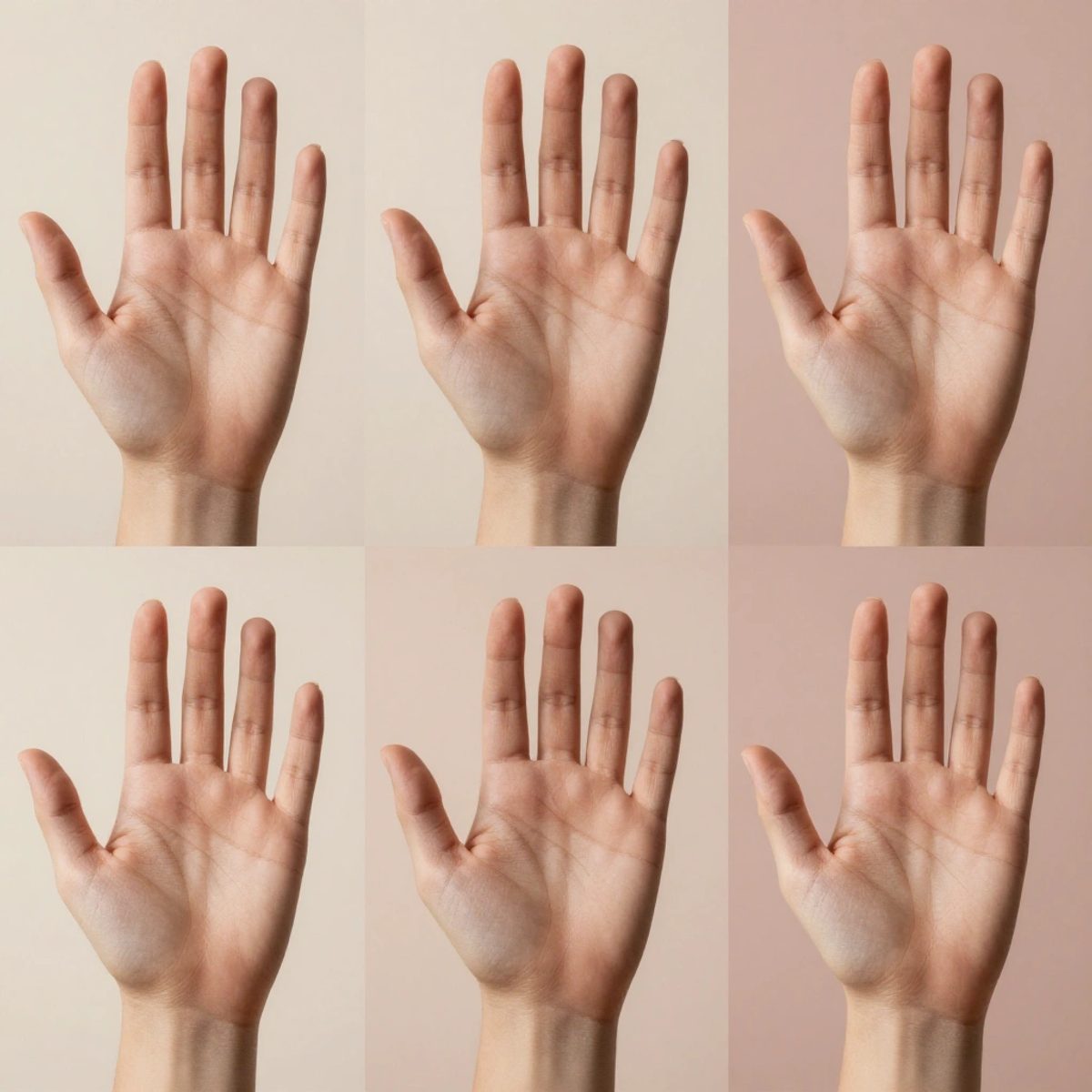
If length and curve set the structure, marks, breaks, and branches fill in the details. Learning to read them brings nuance instead of fear.
A fork at the end of the love line, sometimes called a writer's fork, suggests versatility. You can see multiple sides of a situation and hold complexity without collapsing. It is a sign of emotional range, not indecision.
Breaks appear as gaps or interruptions in the line. Understanding broken love line meaning requires moving past superstition. Rather than omens of loss, breaks often mark transformation. A break may coincide with a major emotional reset or a transition that required you to rebuild trust. The heart pauses, then continues.
Islands are small, enclosed oval shapes sitting on the line like bubbles. They often appear during chapters of confusion or murky communication. Rather than condemning you to turmoil, an island asks you to notice where your emotional clarity felt clouded and what you learned about boundaries during that time.
Chains look like a series of linked circles and suggest a layered emotional history. If your line carries a chain, you have likely felt things intensely across many seasons. The texture speaks to richness, not damage.
Upward branches rising from the main line point toward growth and optimism. Downward branches reach toward the head line and often symbolize lessons learned through disappointment or necessary release.
None of these markings are permanent curses. They are phases and energies, footprints left by a life fully inhabited.

Relationship Patterns and the Love Line
Palmistry is most useful when it helps you understand your own patterns. The love line does not predict when a partner will arrive; it illuminates how you relate once someone is near.
Consider the curvature and clarity you observed. A deeply curved line reaching toward the fingers may mirror an open, affectionate communication style. A straighter, more restrained line may align with someone who shows love through action and practical care. Neither is better. Both are maps of preference that can guide you toward partners who understand your language.
Reading your love line can help you identify your emotional needs before a crisis exposes them. Do you require more verbal reassurance? Do you retreat when overwhelmed? Does your line suggest a pattern of pouring generously into others while waiting too long to refill your own cup? These observations become the groundwork for healthier boundaries and more honest conversations.
Instead of asking when you will find love, the line invites you to notice how you currently love and what kind of connection helps you thrive. This is conscious relating. It literally places agency back in your hands. Self-compassion and honest choice predict relational satisfaction far better than any line, while the palm offers a quiet companion on the journey ahead.
Special Signs: Double Lines and Rare Configurations
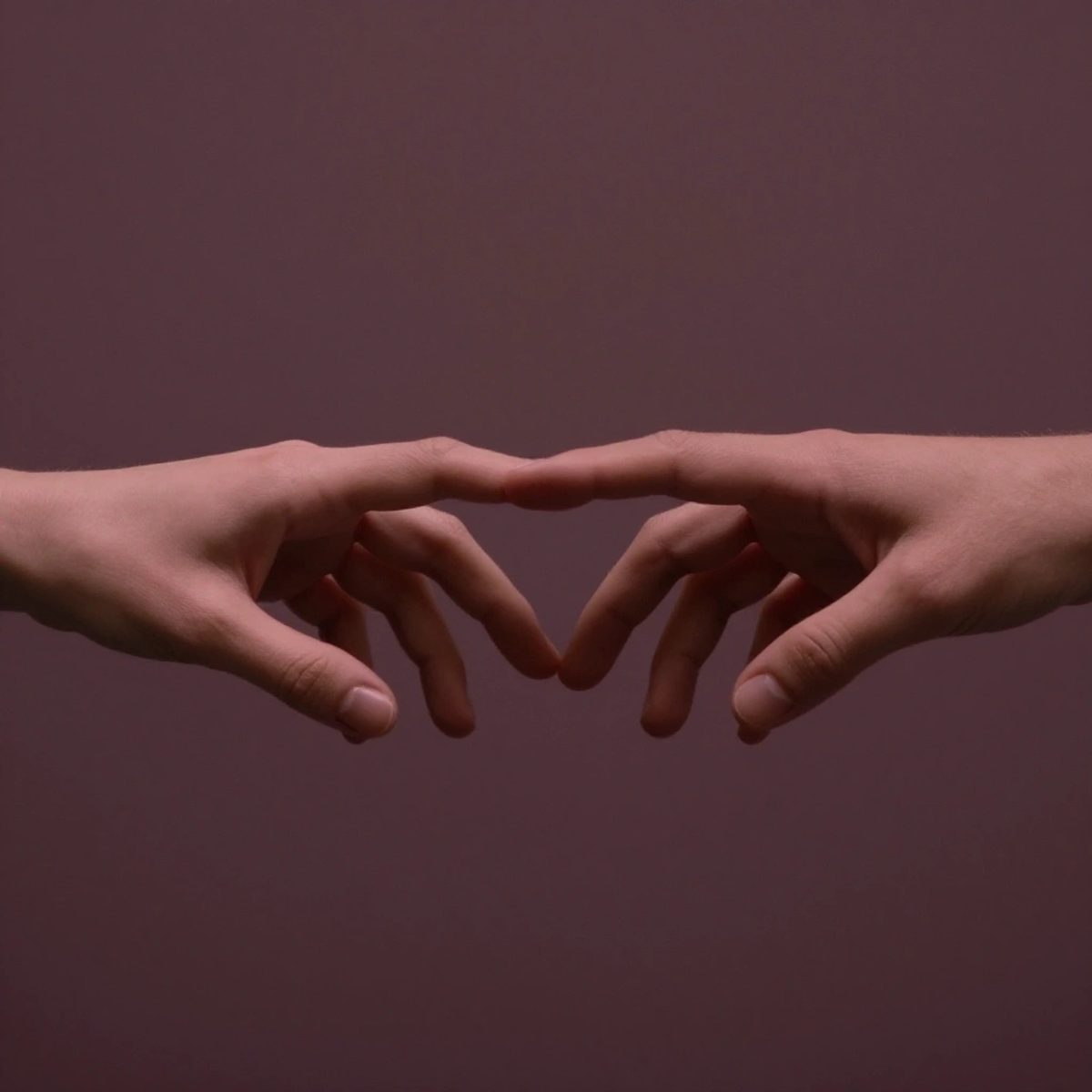
Some palms carry rarer configurations that deserve careful, kind interpretation. The double love line is among the most discussed. When two distinct heart lines run parallel, or when a strong sister line appears alongside the main arc, the marking often indicates deep empathy and an unusual capacity for profound bonds. You may love in plural without loving less. This can manifest as rich friendships and family ties, as well as romantic depth that resists shallow categorization.
Parallel sister lines running close to the primary love line are frequently read as support systems or guardian energies. They suggest emotional resilience, a steadiness that remains even during heartbreak. You are rarely alone, even in solitude.
Small lines that cross or join the main love line may mark significant encounters, people or events that redirected your emotional life. They are intersection points, not threats.
Resist fear-based interpretations. In many traditional texts, unusual markings were treated with superstition. Today, we can frame rarity as uniqueness. A complex line does not mean a complicated curse; it means a multifaceted heart. Your emotional complexity is a strength. It allows you to hold nuance and adapt without losing your center.
A Gentle Ritual for Reading Your Own Love Line
A simple ritual can help this knowledge settle deeper. Here is a heart-centered practice for reading your own love line at home.
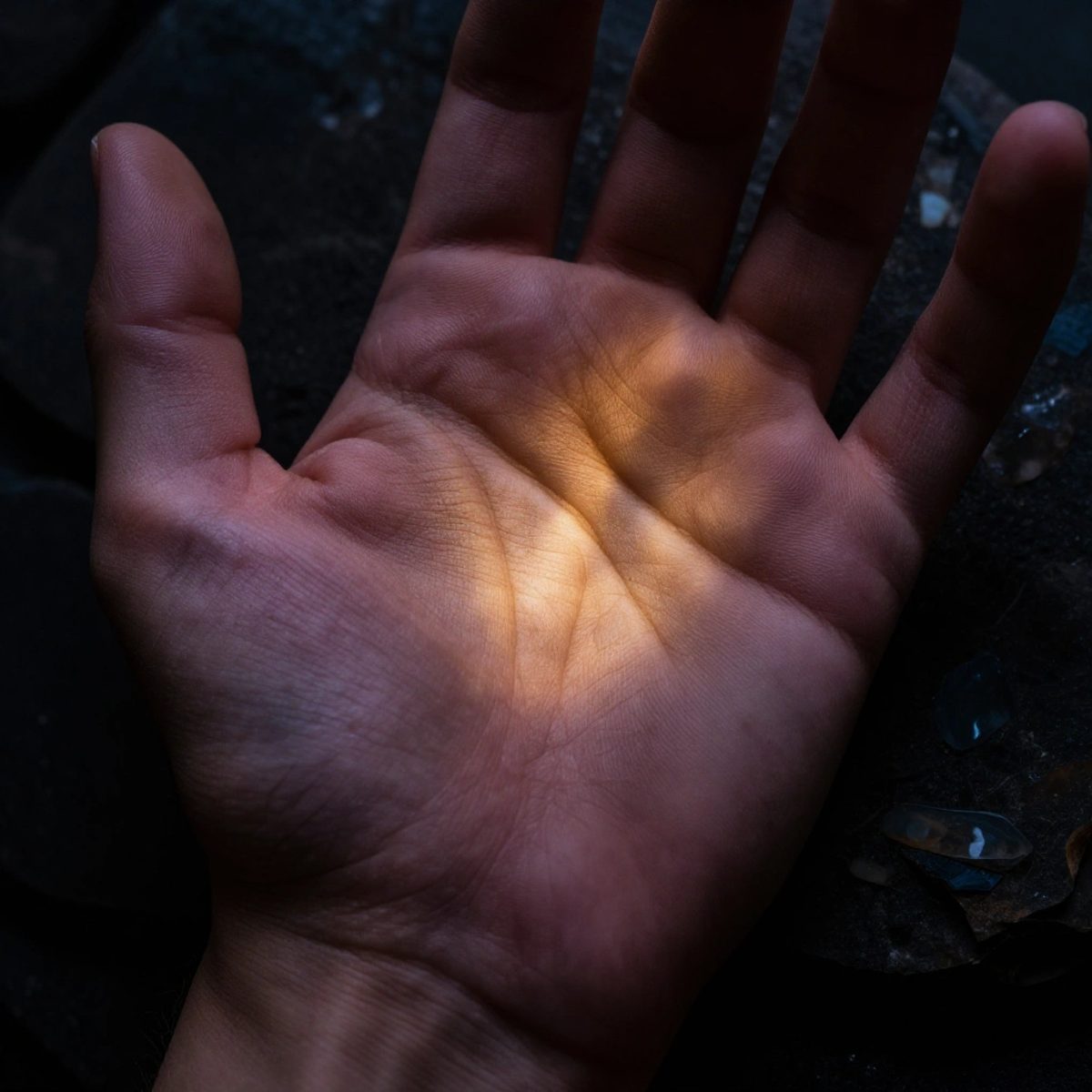
Sit in a calm space with your palms open on a soft surface. Dim the lights or light a candle if you wish. Take three slow breaths and set an intention. You are not here to predict the future. You are here to listen to what your hands have been trying to say.
Relax your dominant hand completely. With the index finger of your opposite hand, gently trace the love line from the outer edge of your palm toward the center. Move slowly. Notice where the line feels smooth and where it changes direction. Your first impressions are valuable. Do not dismiss them as imagination.
Use natural light rather than harsh lamps. Avoid magnification at first; you want to see the whole arc, not interrogate a single millimeter. Trust your intuition to highlight what matters most in this moment.
When you have observed the line, pick up a journal and respond to three prompts: - What does this line invite me to feel about my current relationships? - Where am I growing in love, and where am I still protective? - If my palm is a living document, what chapter am I writing now?
Return to this practice monthly. Over time, you will build a personal relationship with your palmistry map. The line may appear deeper one month, softer the next. You will learn to read those shifts as you learn to read yourself.
The Living Line: Why Your Love Line Changes Over Time
Your palm is a living document. The love line is not a static engraving set at birth; it is a conversation between your inner life and your skin.
Emotional healing leaves signatures. As you move through therapy, recover from heartbreak, establish boundaries, or open yourself after long closure, the energies in your body shift. Many experienced palm readers note that lines can deepen, lengthen, soften, or even branch as a person matures. While science remains cautious about dramatic changes in skin patterns, the subtle structure of the hand often reflects the shape of the heart in ways that are felt before they are seen.
You are the author of your emotional story, not a passive recipient of fate. If you notice your line growing clearer after a season of self-work, celebrate that. If it seems faint during a period of confusion, offer yourself patience rather than dread.
Lines may deepen as you commit to truth, or soften as you release old grief. They branch when you open to new forms of connection. Your palm records the courage it takes to keep loving and begin again. The map changes because you change.

Closing: From Palm to Heart
In the end, the love line leads back to your own heart. Every mark is an invitation to know yourself more honestly and meet your emotional life with compassion rather than criticism.
Palmistry does not lock you into certainty. It is a companion for reflection, a quiet mirror for your evolving capacity for intimacy. The wisdom you seek is not locked in a fortune-teller's tent. It rests in the palm you have carried since birth, changing as you change.
Trust what you see and feel. The story is still being written by you. If this guide stirred your curiosity, explore our deeper writings on palmistry and spiritual symbolism here at Cosmic Spirit Guide. Your hands have more to say.

Conclusion
Reading your love line is ultimately an act of self-awareness. Whether your line is long and arcing or short and straight, marked by breaks or smooth as silk, it offers something far more valuable than a fixed prediction. It is a reflection of your emotional truth in this moment.
Palmistry works best when it empowers you to ask honest questions about how you love and what you need to feel truly connected. Your hands hold no verdicts, only invitations. By reading your love line with patience and compassion, you step into the role of both observer and author, shaping a relational life that honors who you are and who you are becoming.
Frequently Asked
What is the love line in palmistry and where is it located?
The love line, also called the heart line, is the uppermost major horizontal crease beneath the base of your fingers. It typically arcs from the outer edge of the palm near the pinky toward the area below the index or middle finger.
What is the difference between the love line and the heart line?
There is no difference. The terms are used interchangeably in palmistry. Both refer to the same line that reveals emotional patterns and your approach to connection.
What does a long or short love line mean?
A long love line suggests emotional depth and a broad capacity for intimacy. A short love line often indicates independence and selective emotional investment, with feelings processed internally before they are shared.
What does a curved vs straight love line say about emotional expression?
A curved line reaching toward the fingers suggests warmth and generosity. A straight line indicates a more pragmatic, measured approach to love, where emotions are felt deeply but expressed with care and logic.
How do breaks, forks, and branches on the love line affect the reading?
Forks suggest emotional versatility. Breaks often mark transformative experiences or healing resets rather than doom. Upward branches point to growth and optimism, while downward branches can signify lessons learned through disappointment or release.
What does a double love line indicate?
A double love line typically signals deep empathy and the capacity for multiple profound bonds. It reflects emotional complexity and a rich inner life rather than romantic confusion.
Can your love line change over time?
Yes. Many palm readers observe that lines deepen, soften, or branch as a person heals and shifts their emotional patterns. Your palm is a living document that reflects your ongoing growth.
What if my love line is faint or absent?
A faint line often points to sensitivity and a quieter emotional style. An absent love line is uncommon, but if present, it may simply mean you process connection through other channels, such as action or intellectual bonding.
About this topic
This guide explains how to read the love line (heart line) in palmistry, what its length, depth, curve, breaks, branches, and rare double-line configurations reveal about emotional patterns, relationship style, and capacity for self-love, plus a gentle self-reading ritual and why the line can change over time.